Buying an RV is really two decisions made at once: choosing a vehicle class, and choosing a camping style — and the second one constrains the first far more than most buyers expect. The rig that suits full-time living on open highway is often the rig that cannot fit into the campground you actually want to stay in. Get those two choices aligned before you sign anything, because the wrong pairing is expensive to undo.
The five rig types and what each one actually commits you to
There are five practical categories, and each one carries a different ownership burden: a travel trailer, a fifth wheel, and the three motorized classes — A, B, and C — which differ structurally in ways that shape how you live in them.
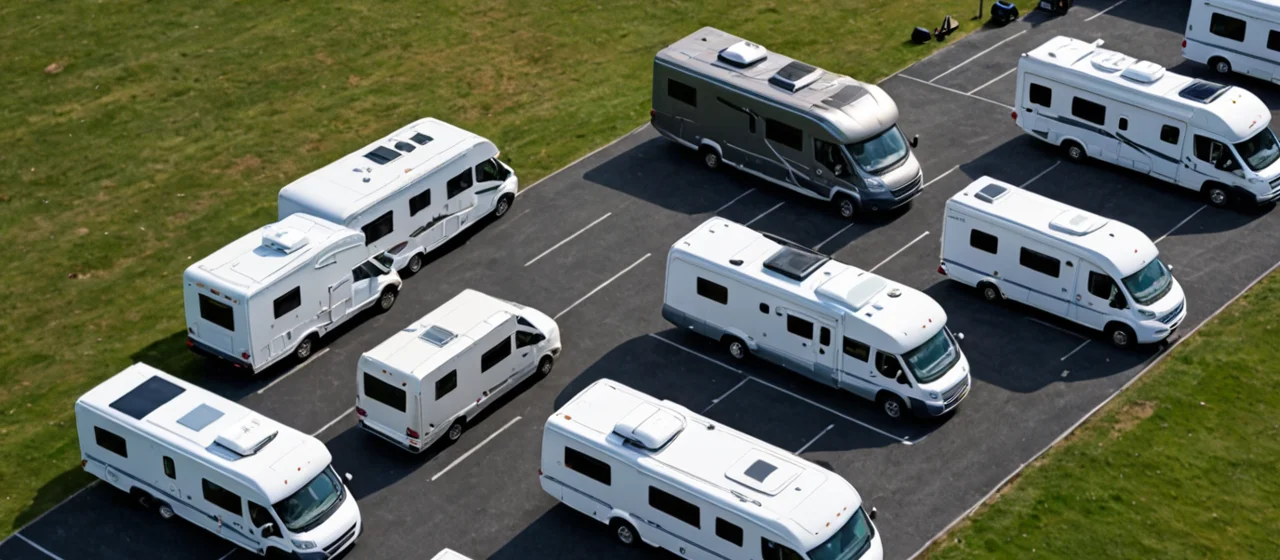
A Class A motorhome is a large, bus-shaped self-propelled RV built on a bus or heavy commercial truck chassis, with a fully integrated body that combines the driving compartment and living quarters into one continuous interior. That integration is the whole appeal: the driver's seat swivels into the living room, the windshield becomes your front window, and you get the most interior volume and storage of any class. The cost is size and weight — a Class A drives like the commercial chassis it is built on, drinks fuel accordingly, and needs serious campsites and serious maintenance budgets.
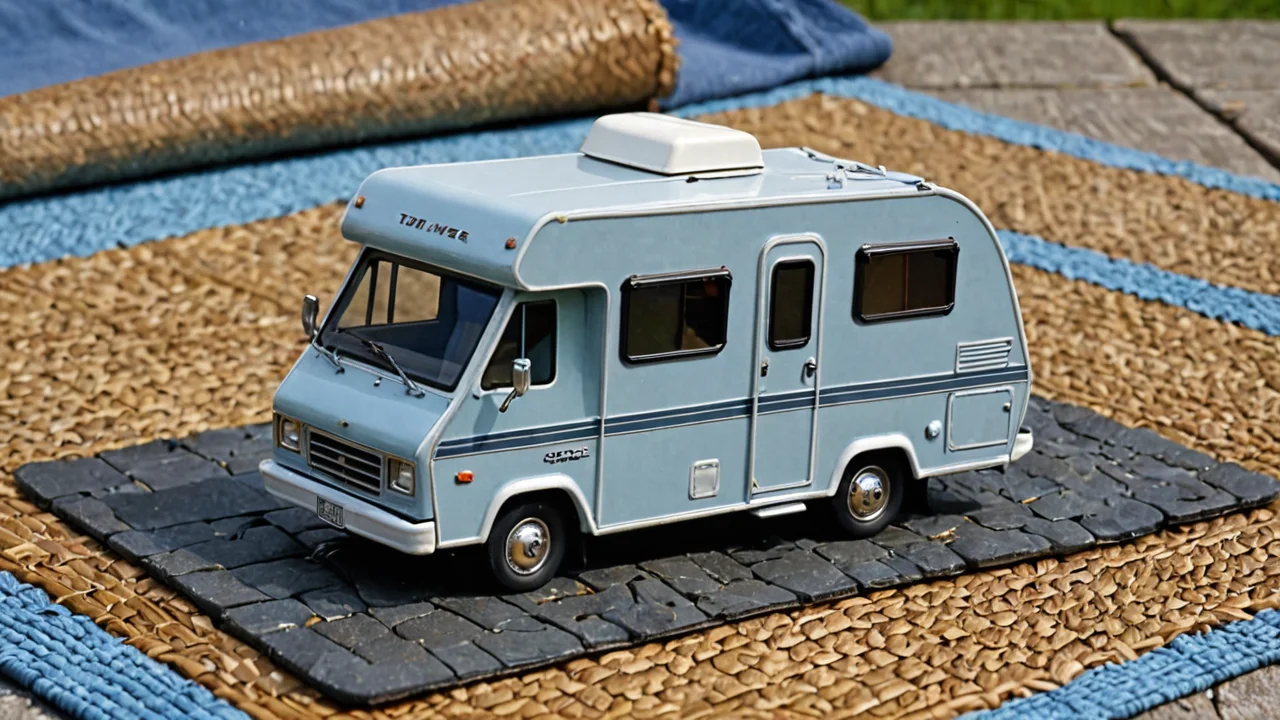
A Class C motorhome is built on a cutaway van or light truck chassis, recognizable by the cab-over section above the driver's area that typically holds a bed or storage, with the driving compartment forming part of the RV's interior. It's the middle ground most families land on: more space than a van, easier to drive and park than a bus, and the cab-over bunk is genuinely usable sleeping space rather than a gimmick.
A Class B motorhome, usually called a camper van, is built inside a standard commercial van or panel truck body. The original van cab stays, and the interior is outfitted for sleeping, cooking, and often bathing within the compact van shell. This is the only class that behaves like a normal vehicle — fits in a standard parking space, drives in city traffic, and can be your only vehicle. The trade-off is space, water capacity, and the fact that you are living in a hallway. Two people for a weekend is comfortable; two people for a rainy month is a compatibility test.
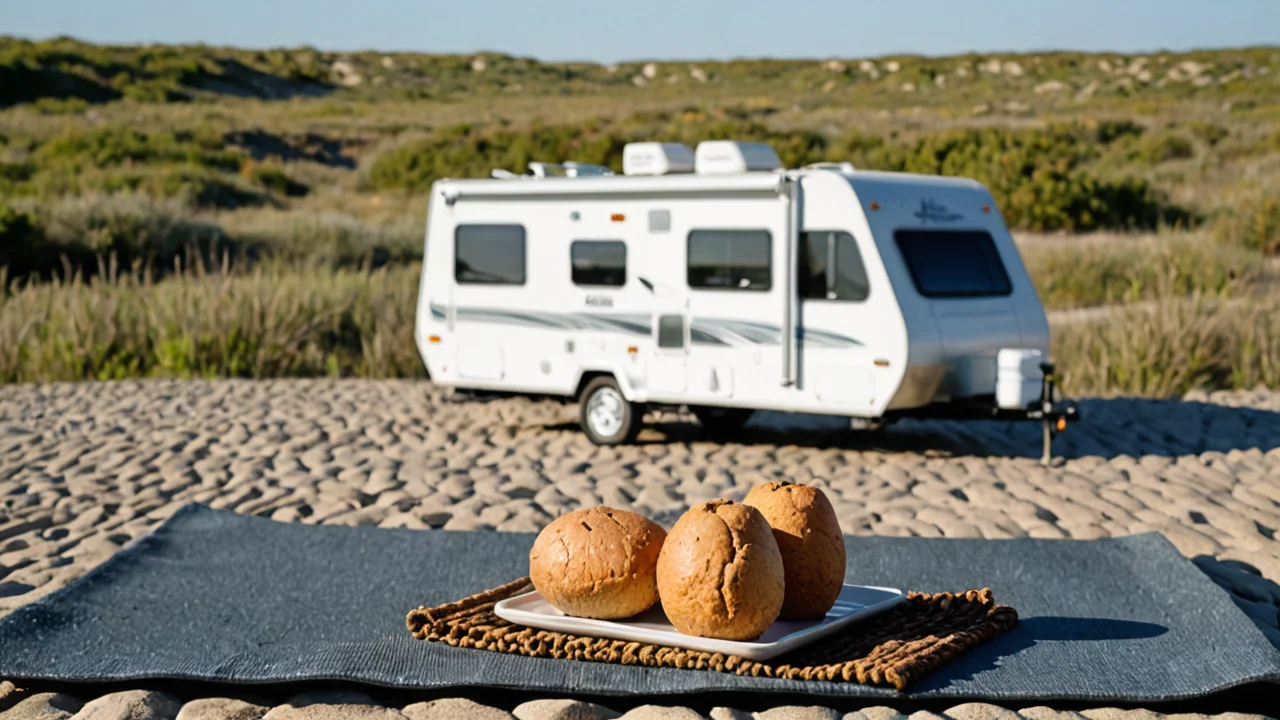
A travel trailer is a towable RV with living quarters hitched to a tow vehicle rather than self-propelled, typically offering sleeping, cooking, and basic bathroom facilities inside an enclosed trailer body. The advantage is that the tow vehicle is a separate, normal truck or SUV you can drive to work or to the trailhead while the trailer stays parked. The disadvantage is that unhitching and setting up takes real time at every stop, and you need a properly rated tow vehicle — not the one the salesman says will "probably be fine."
A fifth wheel is the other towable category: a trailer whose forward overhang sits over the bed of a pickup and hitches to a kingpin mounted there. It tows more stably than a bumper-pull travel trailer of the same length because the hitch point sits over the rear axle rather than behind it, and the stepped-up front section gives you a bedroom or living area that a travel trailer of similar footprint can't match. The cost is that you lose the truck bed to the hitch hardware, and the combined height means you have to think about low bridges and tree limbs, not just campground gates.
The honest trade-off across all five: a motorhome is self-contained and quick to set up but you either tow a car behind it or you're stuck driving a bus to the grocery store. A towable gives you a separate daily driver but costs you setup time and a capable tow rig. Neither is better — they suit different trips.
Length is the decision that quietly eliminates campgrounds
Before you fall in love with a floor plan, check the length limits at the campgrounds you actually intend to use, because the published limits are frequently stricter than buyers assume and they measure combined length — motorhome plus towed vehicle, or truck plus trailer.
Yellowstone is the reference case. The typical published RV length limit at Madison Campground is 40 ft for combined vehicle length, and Fishing Bridge RV Campground carries the same 40 ft combined limit. Forty feet sounds generous until you realize that a 38-foot motorhome flat-towing even a small car puts you over. The limit applies to the whole combination, not the rig alone.
Olympic National Park is where it gets sharp. Kalaloch Campground publishes a typical limit of 35 ft combined. Heart o' the Hills Campground publishes a strict limit of 21 ft combined — which excludes essentially every Class A and Class C on the road, most travel trailers, and leaves you in a camper van or a very small trailer. A 21-foot ceiling is not a suggestion; it's a gate.
These figures are typical published limits, and they change — always confirm against the current campground page before you book, and confirm what they're measuring. The practical consequence is that a big rig buys you interior comfort at the cost of access to exactly the kind of old, scenic, tree-shaded campgrounds most people buy an RV to stay in. National park campgrounds built decades ago were laid out for tents and small trailers. If your bucket list is park campgrounds, size down. If your bucket list is private resorts with full hookups and pull-through sites, size is less of a constraint.
How the systems work, and what breaks first
An RV is three systems bolted together — 12-volt DC, 120-volt AC, and plumbing — and almost every frustrating day on the road traces back to one of them. Understanding the architecture before you buy saves you from a rig you can't actually dry camp in.
Electrical. The 12-volt side runs lights, the water pump, the furnace fan, the fridge control board, and the vent fans, and it draws from a house battery bank charged by the engine alternator, a converter when plugged into shore power, and solar if fitted. The 120-volt side runs the air conditioner, microwave, and outlets, and only works when plugged in or running a generator or inverter big enough to carry the load. The number that matters when comparing rigs is usable battery capacity versus your daily draw — a compressor fridge and a furnace fan will flatten a modest bank overnight in cold weather, and that's how people discover their "off-grid capable" rig isn't.
Plumbing. Fresh water tank, water pump, water heater, fixtures, grey tank for sink and shower waste, black tank for the toilet. The black tank is the one that generates the stories: it needs enough water in it to keep solids suspended, and it needs to be emptied at a dump station with a proper hose and gloves. Skipping the water and letting it sit is how you get the sensor-fouling, smell-generating mess that new owners are warned about and old owners have lived through.
Winterizing. This is the one piece of maintenance that, skipped, destroys the rig. Water left in lines and the water heater freezes, expands, and splits fittings and the heater tank. The fix is blowing the lines out with air and then filling the system with RV-specific antifreeze rated for burst protection to -50 °F as of 2022 — that's the figure on the jug, and it's the reason you don't substitute automotive antifreeze, which is toxic and not formulated for potable water systems. Do it before the first hard freeze, not after. The tell that you got it wrong is a cracked fitting or a puddle under the rig in spring.
Roof and seals. Lap sealant on the roof and the caulking around windows and penetrations are consumables. They crack in UV and heat, water gets in, and the damage shows up as a soft spot in the ceiling or a stain on the interior panel months later. An annual inspection on hands and knees with a tube of self-leveling sealant is the cheapest insurance in RV ownership.
Power, water, and waste: the three budgets that govern every trip
Every camping decision comes down to how you'll replenish three things — electricity, fresh water, and a place to dump — and the campground type you choose is really a statement about how you'll handle them.
Full hookup sites give you water, sewer, and electrical at the pedestal, which means unlimited showers, no tank management, and air conditioning without thinking about it. You pay more per night and you tend to get packed-in sites. Electric-and-water sites drop the sewer connection, so you're managing the grey and black tanks until you hit a dump station. Dry camping — no hookups at all — is where the rig's real capability shows: battery bank, solar, water capacity, and holding tank size all become the constraint on how long you can stay. A rig with a big fresh tank and a small grey tank forces you out before the fresh water runs out, which is the kind of spec-sheet mismatch that only shows up in use.
The trade-off is honest and unavoidable: hookups cost money per night and push you toward developed campgrounds; dry camping is cheap or free and demands that you've sized your systems correctly and know how to conserve. Most people end up doing both — hookups for long stays and hot weather, dry camping for the scenic spots and the shoulder seasons.
Generator use is the fourth variable, and it's governed by campground quiet hours rather than by your convenience. Running a generator to power the air conditioner in a campground with strict hours is not a workaround; it's a rule violation that gets you visited. If air conditioning off-hookups matters to you, that's a rig-selection decision — generator capacity, battery bank, and inverter — made at purchase, not a habit you adopt later.
Weight, towing, and the numbers people get wrong
The single most common and most expensive mistake in RV buying is exceeding a weight rating, and it happens because buyers compare the trailer's dry weight to the truck's tow rating and stop there. Those two numbers are not the ones that govern the combination.
The figures that matter: the trailer's gross vehicle weight rating (its maximum loaded weight, not its dry weight), the tow vehicle's payload (which has to cover passengers, cargo, the hitch, and the tongue weight of the trailer), the gross combined weight rating of the whole combination, and the rear axle rating. A truck can be within its tow rating and still be over on payload or rear axle, because tongue weight and passengers eat payload fast. The failure mode is a rig that tows fine on the flat and feels dangerous on a downhill with a crosswind, or a rear axle carrying more than it's rated for over thousands of miles.
For motorhomes, the equivalent trap is cargo carrying capacity — the difference between the rig's gross vehicle weight rating and its loaded weight. A large Class A with full water, full fuel, and four adults can be surprisingly close to its limit, and the leftover capacity for gear, bikes, and a towed vehicle is smaller than the brochure suggests. Weigh the rig loaded, at a public scale, before a long trip. It costs almost nothing and it tells you the truth.
The trade-off here is that staying comfortably within ratings usually means a smaller trailer or a bigger truck than you planned — and a bigger truck is a real daily-driving cost if it's also your commuter. There is no clever way around the arithmetic. The ratings are engineering limits, not suggestions, and the consequences of exceeding them are brakes, tires, and stability, in that order.
Buying used, buying new, and what it costs to keep one running
Used is usually the better value in RVs, because depreciation on a new rig is steep in the first years and because most RVs are used lightly — but used also means you inherit whatever maintenance was skipped, and water damage is the thing that isn't obvious at a walkthrough.
What to check on any used rig: soft spots in the floor and ceiling (press everywhere, especially under windows and in corners), stains on interior panels and around roof penetrations, the age of the tires (RV tires age out by date code regardless of tread, and a rig that sat for years has tires that look fine and aren't), the date and condition of the batteries, whether the appliances actually light and run on both propane and electric, and whether the water system holds pressure. Run the water pump and listen for it cycling — a pump that kicks on every few minutes means a leak. Smell the interior for mildew after the rig has been closed up. Bring a flashlight and look in every cabinet and behind every access panel.
Ongoing costs split into predictable and unpredictable. Predictable: insurance, registration, storage when it's not at your house, fuel, propane, campground fees, and tires on a schedule. Unpredictable: appliance failures, roof resealing, slide-out or leveling system repairs, and chassis maintenance on motorized rigs — engine, transmission, brakes, and the suspension that carries far more weight than the chassis was originally designed for. Motorized rigs cost more to maintain than towables because you're maintaining both a house and a commercial-duty vehicle. Towables cost less to maintain but demand a capable tow vehicle you're also maintaining.
The honest counsel: buy the smallest rig that meets your actual use, not the largest you can afford. Smaller rigs are cheaper to buy, cheaper to fuel, cheaper to store, cheaper to maintain, and — critically — they fit into the campgrounds you want to visit. A 21-foot limit at a place like Heart o' the Hills is a hard ceiling, and there are plenty of rigs on dealer lots that will never get past it.